
Storm Damage in North Texas: What to Do First
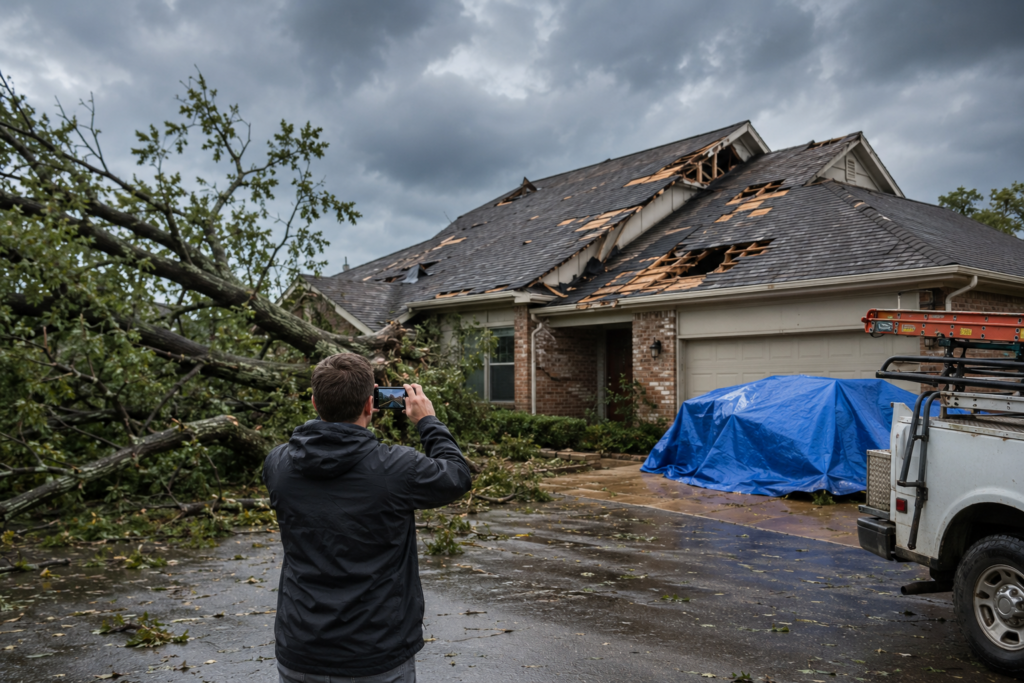
North Texas storms don’t mess around. High winds, hail, and heavy rain can tear through a neighborhood in minutes, leaving damaged roofs, flooded rooms, and downed trees in their wake. Dealing with storm damage can be overwhelming — especially when you’re not sure where to start or who to call first.
Acting quickly in the hours after a storm can prevent a bad situation from getting worse. In this guide, we’ll walk you through exactly what to do if your home has been hit, and when it’s time to bring in a professional.
What to Do Immediately
Once it’s safe to assess your property, follow these steps:
Check for immediate safety hazards. Look for downed power lines, gas leaks, or structural instability before entering any damaged area. If in doubt, stay out and call emergency services.
Document the damage. Take photos and videos of everything — roof damage, broken windows, water intrusion, fallen trees — before you touch anything. This is essential for your insurance claim.
Stop active water intrusion if possible. If wind or hail created an opening, a tarp over the damaged area can prevent additional water from getting in, but only attempt this if it’s safe to access.
Move valuables away from affected areas. Get furniture, electronics, and important documents away from leaks or exposed sections of the home.
Avoid using damaged electrical systems. If storm water has reached outlets or your breaker panel, shut off power to that area until it’s inspected.
Call a restoration professional. Storm damage often involves multiple issues at once — roofing, water intrusion, structural concerns — that need a coordinated response.
If your home was hit hard right now, getting a tarp up and documentation done early can make the entire recovery process go smoother.
Common Causes of Storm Damage
DFW-area storms tend to cause damage in a few predictable ways:
High winds — can tear off shingles, siding, and gutters, or send debris into windows and roofs
Hail — one of the most common sources of roof and vehicle damage in North Texas
Fallen trees and limbs — heavy storms often bring down trees onto roofs, fences, and vehicles
Flash flooding — sudden heavy rain can overwhelm drainage and lead to water intrusion
Power surges — lightning strikes can damage electrical systems even without a direct hit to the home
Signs You Need Professional Help
Not every bit of storm damage is obvious from the ground. Bring in a professional if you notice:
Missing, cracked, or curling shingles after wind or hail
Water stains on ceilings or ceiling sagging, which often means roof damage
Standing water inside the home or a musty smell developing
Visible structural damage — cracked walls, damaged framing, or a compromised roofline
Any damage near electrical systems or the breaker panel
A large tree limb or full tree resting on your roof or structure
If any of this applies to your home, it’s safer to get a professional assessment than to guess at the extent of the damage.
What Happens During Professional Storm Damage Restoration
A certified team typically handles storm recovery in these stages:
Free inspection covering the roof, exterior, and interior to catalog all storm-related damage
Emergency tarping and board-up to stop ongoing water intrusion and secure the property
Water extraction and drying, if rain or flooding got inside
Debris and tree removal from the structure and surrounding property
Structural repairs, from roofing and siding to framing and drywall
Insurance coordination, handling documentation and working directly with your adjuster
The goal is to move fast enough to prevent secondary damage, like mold, while making sure nothing gets missed in the repair process.
Cost, Insurance, and Timeline
How much does storm damage repair cost? Cost depends heavily on the extent of the damage — a few missing shingles is a very different job than a full roof and interior repair — which is why a free inspection is the best starting point.
Does insurance cover storm damage? Most homeowners’ policies cover sudden storm damage from wind, hail, and fallen trees. A restoration company experienced with insurance claims can help document everything properly and work directly with your adjuster to keep the process moving.
How long does storm damage restoration take? Emergency tarping and board-up usually happens within hours of the call. Full repairs can range from a few days for minor damage to several weeks for major structural or roofing work.
How to Prepare Your Home for Future Storms
Trim trees and remove weak or overhanging limbs before storm season
Have your roof inspected annually, especially after any major storm
Clear gutters and downspouts regularly to prevent water backup
Know your insurance policy’s coverage for wind, hail, and flood damage
Keep an emergency contact — like a trusted restoration company — saved before you need it
FAQs
Should I make repairs myself after a storm? Minor cleanup, like clearing debris, is fine. But roofing, structural, or water damage repairs should be handled by professionals to avoid further damage and insurance complications.
How soon should I call for storm damage help? As soon as it’s safe to do so. Fast tarping and water extraction can prevent secondary issues like mold and further structural damage.
Will my insurance company work with any restoration company? Most policies allow you to choose your own contractor. A company experienced with storm claims can help ensure your damage is fully documented and covered.
What if I don’t see damage but suspect the roof was hit? Hail and wind damage isn’t always visible from the ground. A professional roof inspection is the only reliable way to know for sure.
Get Help Recovering From Storm Damage Fast
If your home has been hit by a recent storm, don’t wait to get it inspected. One Call Restoration provides 24/7 emergency response, free inspections, and full storm damage repair throughout Northlake and the greater DFW area.
Call 214-980-4141 now for immediate assistance — One Call, That’s All.