
Burst Pipe? Here's What to Do Before Help Arrives
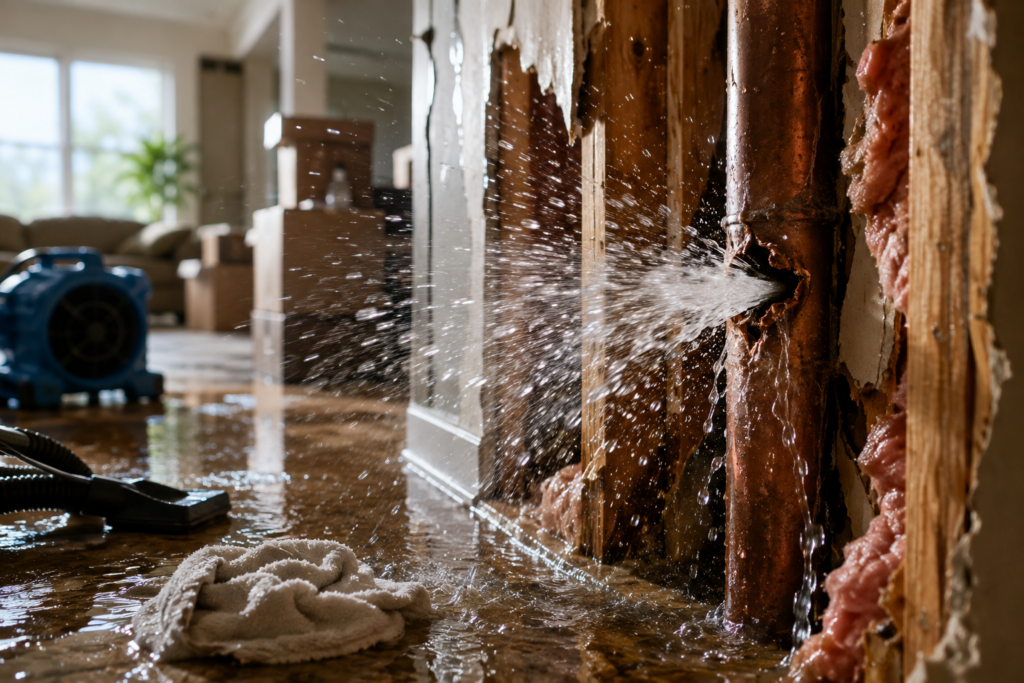
Dealing with a burst pipe can be overwhelming—especially when it happens without warning. One minute everything’s normal, the next you’ve got water spreading across your floors and soaking into your walls. Acting quickly can make a big difference in preventing further damage and costly repairs.
In this guide, we’ll walk you through exactly what to do if you’re facing burst pipe water damage, and when it’s time to call a professional for burst pipe cleanup and water extraction.
What to Do Immediately
If a pipe has burst in your home, every minute counts. Here’s your step-by-step action plan:
Shut off the main water valve. This is the single most important step. Locate your home’s main shutoff valve (usually near the water meter, in the basement, or in a utility closet) and turn it off immediately to stop the flow.
Cut the power in affected areas. If water is near outlets, switches, or fixtures, turn off electricity to that section of the house at the breaker panel. Never touch electrical equipment while standing in water.
Contain and remove standing water. Use towels, a wet/dry vacuum, or buckets to remove as much water as possible. The faster water is extracted, the less damage it causes.
Move furniture and valuables. Get furniture, electronics, rugs, and important documents out of the affected area or up on blocks to prevent further soaking.
Document everything. Take photos and videos of the damage before you start cleanup. This is essential for your insurance claim.
Call an emergency plumber and a restoration team. A plumber fixes the source of the leak. A restoration company handles the water extraction and drying so mold and structural damage don’t set in.
Acting on these steps within the first hour can significantly reduce the extent of damage to your home.
Common Causes of Burst Pipes
Understanding why pipes burst can help you catch warning signs earlier next time:
Freezing temperatures. Water expands as it freezes, putting pressure on pipes until they crack or split. This is common in older homes with poorly insulated plumbing.
Aging or corroded pipes. Pipes weaken over time, especially older galvanized steel or copper lines that have corroded from the inside out.
High water pressure. Excessive pressure stresses pipe joints and connections, eventually causing a rupture.
Clogs and blockages. Debris buildup increases pressure inside the pipe, which can lead to a burst if left unaddressed.
Tree root intrusion. Roots can grow into underground pipes, cracking them or causing blockages that lead to pressure failure.
In many Texas homes, sudden temperature swings and aging infrastructure in older neighborhoods are common contributors to pipe failure.
Signs You Need Professional Help
Not every leak requires a full restoration crew, but certain signs mean it’s time to call in the experts right away:
Water has spread beyond a single room or soaked into carpet, drywall, or subflooring
You notice a musty smell or visible mold within 24–48 hours
Water has reached electrical outlets, HVAC systems, or ceiling areas
You can’t identify or reach the shutoff valve for the source of the leak
The water has been sitting for more than a few hours
You’re unsure whether the structural integrity of floors or walls has been compromised
If you’re dealing with any of these situations right now, don’t wait—prolonged moisture exposure turns a manageable repair into a much larger, more expensive problem.
What Happens During Professional Restoration Service
Knowing what to expect can ease some of the stress of the situation. Here’s a general breakdown of a professional response:
Inspection and assessment. Technicians assess the extent of the damage using moisture meters and thermal imaging to find water that isn’t visible to the eye.
Water extraction. Industrial-grade pumps and vacuums remove standing water quickly and thoroughly.
Drying and dehumidification. High-powered air movers and dehumidifiers are set up to dry out walls, floors, and furniture, preventing mold growth.
Cleaning and sanitizing. Affected areas are cleaned and treated to remove bacteria, odors, and contaminants left behind by the water.
Repairs and restoration. Damaged drywall, flooring, or insulation is repaired or replaced to bring your home back to its original condition.
An experienced team with advanced equipment can typically complete extraction and drying within 24–72 hours, depending on the extent of the damage.
Cost, Insurance, and Timeline
How much does burst pipe cleanup cost?
Costs vary depending on the size of the affected area and the extent of water damage, but most homeowners can expect restoration costs to range from a few hundred dollars for minor cleanup to several thousand for extensive water extraction, drying, and repairs.
Does insurance cover burst pipe damage?
In most cases, homeowners insurance covers sudden and accidental water damage from a burst pipe, though it typically won’t cover damage caused by long-term neglect, such as ignoring a slow leak for months. Always check your specific policy, and take photos before cleanup begins to support your claim.
How long does the restoration process take?
Water extraction usually takes a few hours, while full drying can take 2–5 days depending on how much water was absorbed into building materials. Repairs and reconstruction timelines depend on the extent of the damage, ranging from a few days to a few weeks.
How to Prevent Burst Pipes in the Future
Insulate exposed pipes, especially in attics, garages, and crawl spaces
Let faucets drip slightly during freezing weather to relieve pressure
Have your plumbing inspected annually, especially if your home is older
Install a water pressure regulator if your home’s pressure runs high
Know the location of your main shutoff valve before an emergency happens
Consider a smart water leak detector for early warning
FAQs
What should I do first if a pipe bursts?
Shut off your home’s main water valve immediately, then turn off electricity to the affected area if water is nearby. This stops the flow and prevents further damage while you call for help.
Can burst pipe water damage be fixed in 24 hours?
Minor water extraction and initial drying can often be completed within 24 hours, but full restoration—including repairs to drywall or flooring—usually takes several days to a few weeks.
Does insurance cover a burst pipe?
Most homeowners insurance policies cover sudden, accidental burst pipe damage, but not damage from long-term neglect or lack of maintenance. Check your policy for specifics.
How do I know if I need professional water extraction?
If water has spread beyond one room, soaked into flooring or walls, or been sitting for more than a few hours, professional extraction is strongly recommended to prevent mold and structural damage.
What causes pipes to burst in Texas homes?
Sudden freezes, aging plumbing, high water pressure, and clogs are the most common causes of burst pipes in Texas, particularly in homes with older infrastructure.
Don’t Wait—Get Help Now
A burst pipe won’t wait, and neither should you. If you’re dealing with water damage right now, every hour matters. Our experienced team is available 24/7 with the advanced equipment needed for fast water extraction and complete restoration.
Call now for a free inspection and immediate emergency response.