
Water Damage Restoration in Northlake, TX: What Local Homeowners
Need to Know
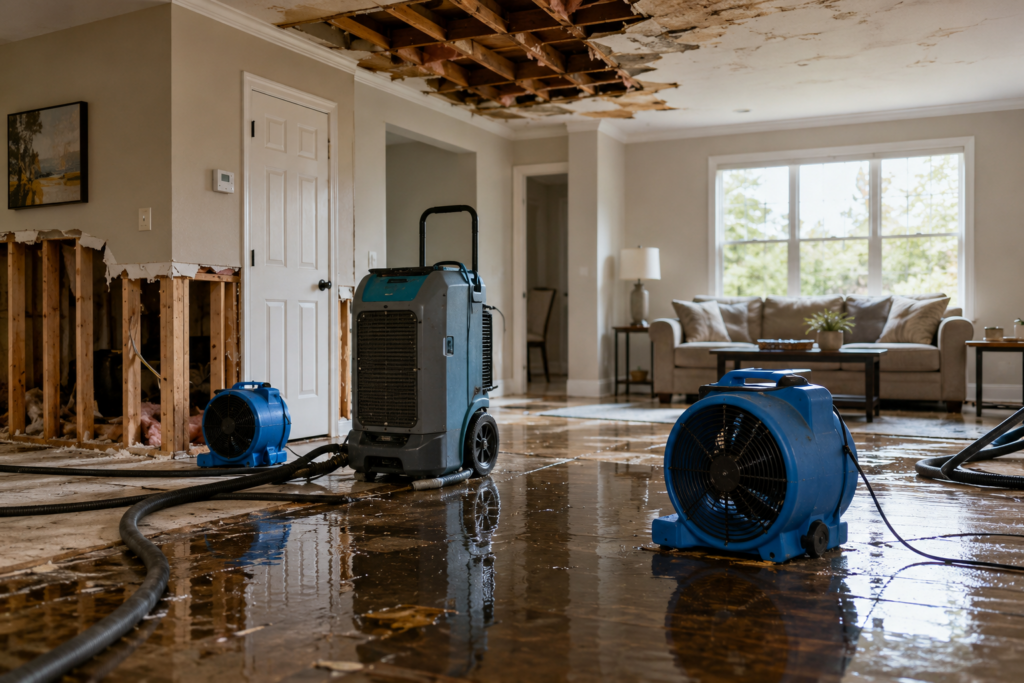
If you’re dealing with water damage in Northlake right now, you’re not alone. Between summer storms, aging plumbing in older neighborhoods, and the occasional burst pipe during a winter freeze, water damage is one of the most common emergencies homeowners in this area face.
Acting quickly can make a big difference in preventing mold, structural damage, and costly repairs. In this guide, we’ll walk you through what to do first, what local factors make Northlake homes especially vulnerable, and when it’s time to call a professional.
What to Do Immediately
If water is actively damaging your Northlake home, here’s your first move:
Stop the water source. Shut off your main water valve if the damage is from a pipe, appliance, or plumbing failure.
Turn off electricity to affected areas. Never enter standing water near outlets or a breaker panel without cutting power first.
Move belongings out of harm’s way. Get furniture, electronics, and documents away from the water as quickly as possible.
Start extracting standing water. Towels, a wet/dry vacuum, or buckets can help while you wait for professional help to arrive.
Photograph the damage. Insurance claims move faster and smoother when you have clear documentation from the start.
Call a local restoration team. A company that knows Northlake homes and works directly with local insurance adjusters can get your home dried out and repaired faster.
If water is sitting in your home right now, every hour matters — acting fast is the biggest factor in preventing mold and long-term damage.
Why Water Damage Is Common in Northlake Homes
A few local factors make water damage a recurring issue for homeowners in this area:
Freeze-thaw winters — North Texas cold snaps are hard on pipes, especially in homes with exposed plumbing in garages or attics
Summer storm season — heavy rain and hail events can lead to roof leaks and flash flooding
Mix of older and newer construction — Northlake has a blend of established neighborhoods and new development, and older plumbing is more prone to failure
Clay soil conditions — common throughout North Texas, clay soil expansion and contraction can stress foundations and underground pipes over time
Signs You Need Professional Help
Not every leak needs a restoration crew, but call in the pros if you notice:
Water has spread beyond one room or soaked into flooring, drywall, or ceilings
A musty smell developing, which can mean mold is already starting
The source of the leak is unclear or hidden inside a wall or slab
Standing water hasn’t dried within a day using fans alone
Recent storm or plumbing damage that you’re unsure has been fully addressed
If any of this sounds familiar, a professional inspection is the safest next step.
What Happens During Professional Water Restoration
Here’s what to expect when a local restoration team arrives:
Free inspection and moisture mapping to identify how far water has traveled, including inside walls and under flooring
Water extraction using industrial-grade pumps and vacuums
Structural drying with commercial air movers and dehumidifiers
Mold prevention treatment to stop growth before it starts
Repair and build-back, restoring drywall, flooring, and other affected materials to their original condition
Working with a local company means faster response times and a team that already understands the common causes behind Northlake-area water damage.
Cost, Insurance, and Timeline
How much does water damage restoration cost in Northlake? Cost depends on how much water was involved and how long it sat before treatment. A free inspection is the best way to get an accurate estimate for your specific situation.
Does insurance cover water damage? Most homeowners’ policies cover sudden, accidental water damage restoration — like a burst pipe or storm-related leak. A restoration company experienced with local claims can help handle documentation and communicate directly with your adjuster.
How long does the process take? Structural drying typically takes 3–5 days, though the full repair timeline depends on the extent of the damage.
How to Protect Your Northlake Home
Insulate exposed pipes before winter freezes hit
Know the location of your main water shutoff valve
Have older plumbing inspected annually, especially in homes over 15–20 years old
Check your roof after major storms for missed damage
Keep gutters clear to prevent water backup during heavy rain
FAQ
How quickly does mold grow after water damage?
Mold can begin developing within 24–48 hours, which is why fast extraction and drying are critical after any leak or flood.
Is water damage restoration covered by insurance in Texas?
In most cases, yes, for sudden and accidental damage. Damage caused by long-term neglect is typically not covered, so it’s worth confirming details with your policy or adjuster.
Do I need a local company, or does it matter?
A local team can respond faster and is more familiar with common regional causes, like freeze damage and clay soil issues, which can affect how repairs are approached.
Can I dry out water damage myself?
Fans and dehumidifiers help with surface moisture, but they typically can’t fully dry water trapped in walls, subfloors, or insulation — which is where mold problems usually start.
Get Fast, Local Help in Northlake
If you’re dealing with water damage right now, don’t wait for it to get worse. One Call Restoration provides 24/7 emergency response and free inspections throughout Northlake and the greater DFW area.
Call 214-980-4141 now for immediate assistance — One Call, That’s All.