
Signs of Mold After a Leak in Your DFW Home (And What to Do About It)
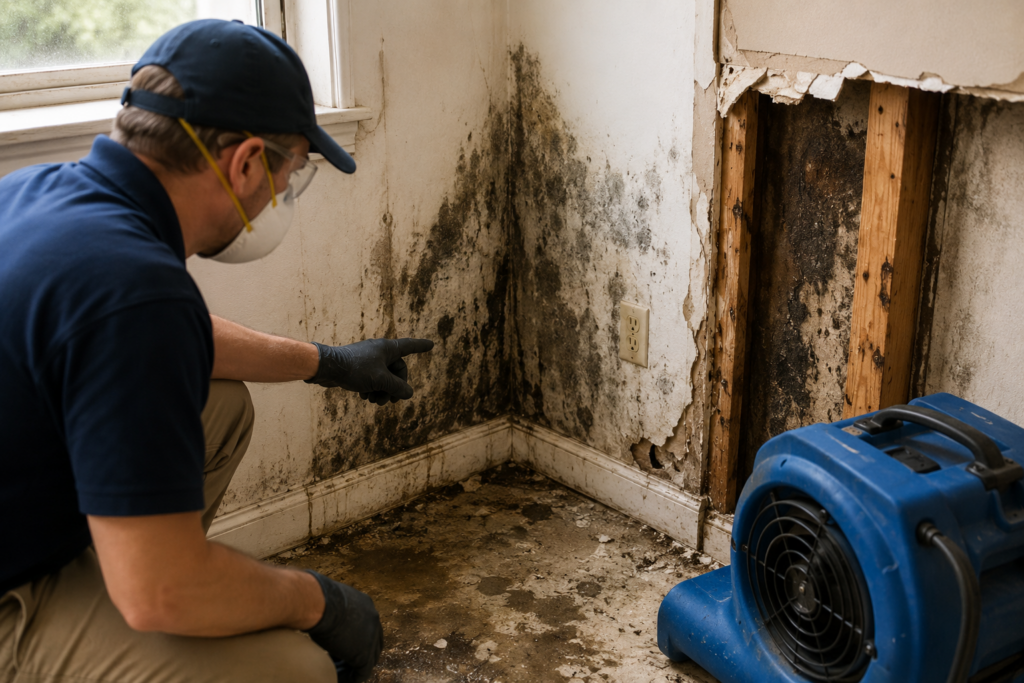
A leak doesn’t have to be dramatic to cause real problems. Sometimes it’s a slow drip under a sink, a hidden roof leak, or moisture that lingered a little too long after a storm. Dealing with mold can be overwhelming — especially when you’re not sure how it got there or how bad it really is.
Acting quickly once you spot the signs can make a big difference in protecting your home and your family’s health. In this guide, we’ll walk you through exactly what to look for, what to do first, and when it’s time to call a professional.
What to Do Immediately
If you suspect mold in your home, here’s how to respond right away:
- Identify and stop the moisture source. Mold can’t grow without water, so find the leak, condensation, or humidity issue and address it first.
- Avoid disturbing the mold. Scrubbing or spraying visible mold can release spores into the air and spread the problem to other rooms.
- Increase ventilation. Open windows if possible and run fans to reduce humidity in the affected area.
- Isolate the space. Close doors to the affected room and, if you can, cover vents to limit spores traveling through your HVAC system.
- Avoid prolonged exposure. If you notice a strong musty smell or visible growth, limit time spent in that room, especially for children, pets, and anyone with respiratory sensitivities.
- Call a certified mold remediation team. DIY cleaning products can mask surface mold but rarely address what’s growing behind walls or under flooring.
If you’re smelling something musty right now, that’s usually your first clue that mold is already present, even if you can’t see it yet.
Common Causes of Mold Growth
In North Texas homes, mold usually shows up after one of these situations:
- Undetected leaks — slow leaks under sinks, around toilets, or in roofing are a leading cause
- Poor ventilation — bathrooms, laundry rooms, and attics without adequate airflow trap moisture
- High humidity — Texas summers create the warm, humid conditions mold thrives in
- Past water damage that wasn’t fully dried — even a small amount of leftover moisture in walls or subfloors is enough
- AC condensation issues — a clogged or leaking condensate line can quietly feed mold growth for weeks
Signs You Need Professional Help
Some mold situations are more serious than others. Call in a professional if you notice:
- A persistent musty or earthy odor, even without visible mold
- Visible spotting or discoloration on walls, ceilings, or baseboards
- Mold covering an area larger than about 10 square feet
- Mold returning after you’ve already cleaned it once
- Recent water damage that wasn’t professionally dried within 24–48 hours
- Unexplained allergy-like symptoms — sneezing, coughing, headaches — that improve when you leave the house
If any of this sounds familiar, it’s worth getting a professional inspection rather than guessing.
What Happens During Professional Mold Remediation
Here’s what to expect once a certified team gets involved:
- Free inspection to locate all affected areas, including hidden growth behind walls or under flooring
- Containment setup to prevent spores from spreading to unaffected parts of the home during removal
- Safe removal of mold-affected materials using industry-standard equipment and protective protocols
- Air scrubbing and filtration to capture airborne spores throughout the process
- Preventive treatment applied to stop mold from returning in the same spot
- Repair and restoration of any drywall, flooring, or materials removed during remediation
A thorough remediation doesn’t just clean what you can see — it addresses the moisture source so the problem doesn’t come back.
Cost, Insurance, and Timeline
How much does mold remediation cost? Cost depends on the size of the affected area and how far the mold has spread, which is why a free inspection upfront is so useful for getting an accurate picture.
Does insurance cover mold remediation? Coverage often depends on the cause. Mold resulting from a sudden, covered event — like a burst pipe — is more commonly covered than mold from long-term neglect or unresolved maintenance issues. A restoration company experienced with insurance claims can help you understand what applies to your situation.
How long does mold remediation take? Smaller, contained jobs can often be completed in 1–3 days, while larger or hidden infestations may take longer depending on how much material needs to be removed and dried.
How to Prevent Mold From Coming Back
- Fix leaks as soon as you notice them — don’t wait
- Run bathroom and kitchen exhaust fans during and after showers or cooking
- Keep indoor humidity below 50%, especially during humid Texas summers
- Check under sinks and around appliances periodically for slow leaks
- Have your AC condensate line inspected annually to prevent buildup
Frequently Asked Questions
Can mold come back after remediation?
Yes, if the original moisture source isn’t fully resolved. That’s why proper remediation always includes addressing the underlying leak or humidity issue, not just cleaning what’s visible.
Is it safe to stay in my home during mold remediation?
It depends on the size and location of the affected area. A professional inspection will let you know whether containment measures are enough or if temporary relocation makes sense.
How can I tell if it’s mold or just dirt?
Mold typically has a fuzzy or slimy texture and a musty smell, while dirt or dust does not. If you’re unsure, a professional inspection can confirm it quickly.
Do I need to remove drywall if I have mold?
Not always. Surface mold on hard, non-porous materials can sometimes be cleaned, but mold that has penetrated porous materials like drywall or insulation usually needs to be removed.
Don’t Let Mold Take Over Your Home
If you’re noticing musty smells, discoloration, or lingering effects from a past leak, it’s worth getting ahead of it before it spreads. One Call Restoration offers free mold inspections and 24/7 emergency response throughout Northlake and the greater DFW area.
Call 214-980-4141 now for a free inspection — One Call, That’s All.