
Emergency Storm Damage Repair: What to Do in the First 24 Hours
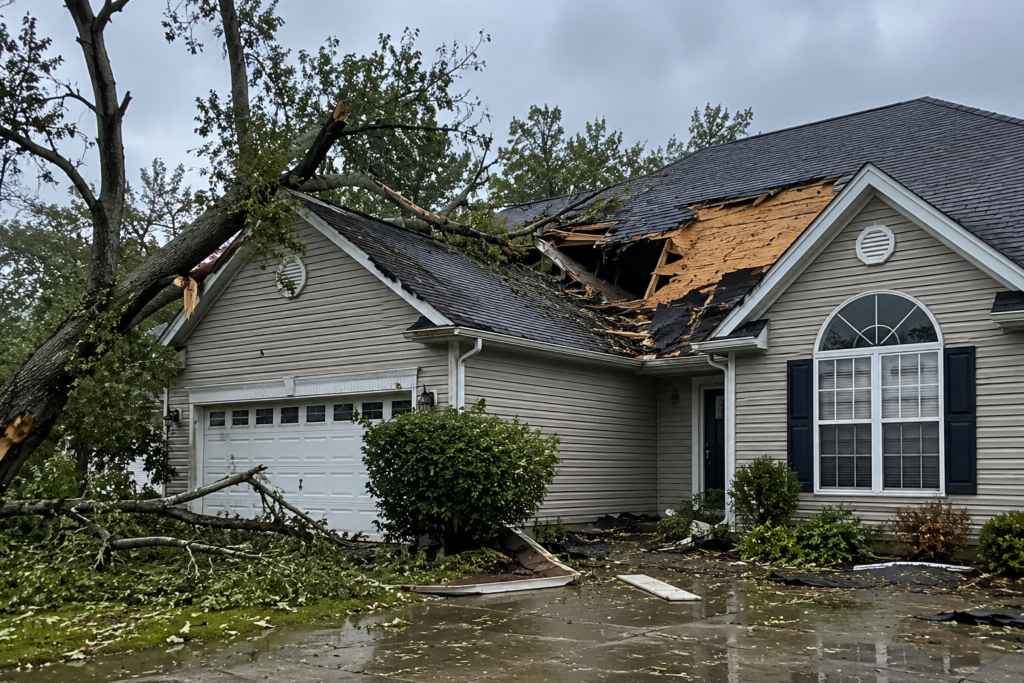
A major storm can tear through your Texas home in minutes—but the damage it leaves behind can linger for days, weeks, or even months if you don’t act fast. One of the most urgent and overlooked consequences of storm damage is mold. Within 24 to 48 hours of water exposure, mold can begin colonizing your walls, floors, and ceilings. That’s why the first 24 hours after a storm aren’t just about cleanup—they’re about preventing a second disaster.
In this guide, we’ll walk you through exactly what to do in the first 24 hours after storm damage, why emergency mold remediation matters more than most homeowners realize, and when it’s time to call in professional home remediation services.
What to Do in the First 24 Hours After Storm Damage
Acting decisively in the hours right after a storm can mean the difference between a manageable repair and a full-scale remediation project. Here’s what to prioritize:
- Confirm the scene is safe. Before entering any part of your home, visually assess for downed power lines, gas leaks, structural collapses, or standing water near electrical outlets. If anything looks unsafe, stay out and call 911.
- Shut off electricity and gas at the source. Water and electricity are a deadly combination. If storm flooding or roof damage has allowed water into your home, turn off the main breaker and, if you smell gas, shut off the supply and leave immediately.
- Document all visible damage before touching anything. Take photos and video of every affected area—roof damage, broken windows, soaked flooring, water-stained walls, damaged belongings. This documentation is essential for your insurance claim and for home remediation services to assess the scope of work.
- Stop additional water from entering. Use tarps, plastic sheeting, or plywood to cover broken windows, roof holes, or any other openings. Every hour that rain or outdoor moisture continues entering your home accelerates the risk of mold growth.
- Remove standing water immediately. Use buckets, mops, or a wet-dry vacuum for smaller amounts. Do not use a standard household vacuum—it’s a shock hazard around water. Avoid flooded basements until you’ve confirmed there’s no electrical risk.
- Increase air circulation. Open windows and doors if weather permits, and run fans to begin drying out wet surfaces. Avoid using central HVAC if ducts may have been compromised—this can spread mold spores throughout the home.
- Call your insurance company. Notify your insurer as soon as possible and ask about emergency coverage, preferred contractors, and the documentation they’ll need to process your claim.
- Contact a 24/7 emergency mold remediation and restoration team. The clock is ticking on mold. Professional home remediation services have the equipment to extract water at depth, dry structural materials, and apply antimicrobial treatments that stop mold before it takes hold. Don’t wait until you see visible growth—by then, it’s already spread.
Why Mold Is the Hidden Threat After Storm Damage
Most homeowners focus on the visible damage after a storm: broken windows, missing shingles, soaked carpets. What they often miss is what’s happening inside the walls, under the floors, and in the ceiling cavities—places where moisture hides and mold thrives.
Mold spores are naturally present in the air at all times. They only need three things to start growing: moisture, a food source (drywall, wood, insulation), and warmth. Texas provides the warmth year-round. Storm damage provides the moisture. That makes emergency mold remediation not optional—it’s essential.
Here’s how fast it escalates:
- Within 24–48 hours: Mold spores begin germinating on wet surfaces.
- Within 3–7 days: Visible mold colonies form. Affected materials like drywall and insulation may need to be fully replaced.
- After 1–2 weeks: Mold spreads to adjacent areas and into HVAC systems. At this stage, remediation is significantly more complex and costly.
In high-humidity environments like Houston and coastal Texas, this timeline can accelerate even further. Emergency mold remediation in the first 24–48 hours dramatically reduces total remediation cost and protects your family’s health.
Common Storm Damage Scenarios That Lead to Mold
Not all storm damage looks dramatic. Sometimes the events that cause the worst mold problems are easy to overlook. These are the most common scenarios Texas homeowners face:
- Roof damage with delayed discovery: A small puncture or missing shingles may let water in gradually—soaking attic insulation for days before anyone notices.
- Flash flooding: Common throughout the Houston metro and Central Texas. Floodwater is often contaminated and saturates flooring, wall cavities, and subfloors quickly.
- Broken or cracked windows: Rain driven by high winds enters through even small gaps and soaks drywall, window frames, and surrounding insulation.
- HVAC damage: Storm debris that compromises air handlers or ductwork can allow moisture intrusion—and contaminated air—to circulate throughout the home.
- Burst pipes following ice storms: While less frequent in Texas, winter freeze events can cause pipes to burst inside walls, creating hidden moisture that fuels mold growth for weeks.
Signs You Need Emergency Mold Remediation—Not Just Cleanup
Not every wet surface requires professional intervention. But these signs mean you need a certified home remediation service immediately—not a mop and some bleach:
- Musty or earthy smell even after surfaces appear dry
- Visible dark spots, fuzzy growth, or discoloration on walls, ceilings, or floors
- Water that sat for more than 24 hours before being removed
- Peeling paint or wallpaper—often a sign of moisture trapped behind the surface
- Warped or buckled flooring or baseboards
- Anyone in the home experiencing increased allergy symptoms, respiratory irritation, or headaches
- Flooding involved sewage or contaminated water (Category 2 or 3 water damage)
If you’re seeing any of these signs, stop cleanup and call a professional immediately. Disturbing mold without containment can release spores and spread contamination to unaffected areas of your home.
What Professional Home Remediation Services Actually Do
- Many homeowners assume remediation just means cleaning visible mold. In reality, professional home remediation services address the full scope of moisture and mold damage—including what you can’t see. Here’s what a professional emergency response looks like:
- Full moisture assessment: Using thermal imaging cameras and moisture meters, technicians locate water hidden inside walls, under flooring, and in ceiling cavities that visual inspection misses entirely.
- Containment: Affected areas are sealed off with plastic barriers and negative air pressure systems to prevent mold spores from spreading to unaffected parts of the home during remediation.
- Industrial water extraction: High-capacity pumps and extraction equipment remove water far more thoroughly than consumer tools, reaching into subfloors and wall cavities.
- Structural drying: Commercial-grade air movers and dehumidifiers reduce moisture in structural materials to safe levels—a process that typically takes 3–5 days depending on saturation depth.
- Mold removal and antimicrobial treatment: Affected materials that cannot be dried and saved are safely removed. Remaining surfaces are treated with EPA-registered antimicrobial agents to kill spores and inhibit regrowth.
- Air quality testing and clearance: Post-remediation testing confirms that spore levels are within safe limits before reconstruction begins.
- Reconstruction and restoration: Removed drywall, flooring, insulation, and other materials are replaced, and the home is restored to pre-damage condition.
Cost, Insurance, and Timeline for Emergency Mold Remediation
How much does emergency mold remediation cost?
Costs depend on the size of the affected area, the type of mold present, and how deeply moisture has penetrated. Small, contained mold issues treated early may cost $500–$2,000. Widespread mold resulting from untreated storm flooding can run $5,000–$30,000 or more. Addressing moisture in the first 24 hours is almost always significantly cheaper than full mold remediation after growth is established.
Does insurance cover mold from storm damage?
If mold results directly from a covered storm event—such as a roof breach caused by wind or hail—your homeowners insurance policy will likely cover remediation costs. However, if mold develops due to a pre-existing moisture problem or delayed response to damage, coverage may be reduced or denied. Documenting damage immediately and calling for professional home remediation services quickly gives you the strongest possible claim position.
How long does mold remediation take after storm damage?
Emergency containment and extraction can begin within hours of your call. Structural drying typically takes 3–5 days. Mold removal, treatment, and clearance testing add another 1–3 days depending on severity. Reconstruction timelines vary based on how much material needs to be replaced. Acting in the first 24 hours keeps the overall timeline—and cost—as short as possible.
How to Reduce Your Mold Risk After Future Storms
Once your current situation is resolved, these steps will help you respond faster and smarter the next time severe weather hits Texas:
- Know where your utility shutoffs are. Label your main breaker and gas shutoff so you (and any family member) can act immediately after a storm.
- Keep a storm supply kit ready. Stock tarps, plywood, plastic sheeting, a wet-dry vacuum, and the contact number for your emergency storm damage and mold remediation provider.
- Inspect your roof and gutters twice a year. Clear debris and look for missing shingles, cracked flashing, or sagging sections that could allow water intrusion.
- Seal windows, doors, and exterior penetrations. Fresh caulk around frames and proper weatherstripping significantly reduce water infiltration during high-wind rain events.
- Consider a dehumidifier for high-risk areas. Basements, crawl spaces, and attics in humid Texas climates benefit from continuous dehumidification—especially during and after storm season.
- Review your insurance policy annually. Confirm your coverage includes wind, hail, and mold remediation resulting from sudden storm events. Consider a separate flood policy if you’re in a flood-prone area.
Frequently Asked Questions About Emergency Mold Remediation After Storm Damage
What is emergency mold remediation?
Emergency mold remediation is the rapid professional response to mold growth—or conditions that will cause mold growth—following water damage events like storms, flooding, or burst pipes. It involves containment, moisture removal, mold removal, antimicrobial treatment, and air quality verification, typically completed on an urgent timeline to prevent health risks and further property damage.
Can I clean up mold myself after a storm?
Small surface mold on non-porous materials (like tile) can sometimes be cleaned with a diluted bleach solution. However, if mold covers more than 10 square feet, is inside walls or under flooring, or resulted from contaminated floodwater, you need a certified professional. DIY attempts often spread spores and fail to address moisture at the source—leading to rapid regrowth.
How quickly does mold grow after water damage?
Mold can begin growing within 24 to 48 hours of water exposure. In warm, humid Texas conditions—especially in the Houston area—that window can be even shorter. Visible colonies typically appear within 3 to 7 days. This is why emergency response in the first 24 hours is critical.
Is mold after flooding dangerous?
Yes. Mold exposure can cause respiratory issues, allergic reactions, headaches, and eye and skin irritation. Certain mold types—like black mold (Stachybotrys chartarum)—can cause more serious health effects with prolonged exposure. Vulnerable individuals including children, elderly adults, and those with asthma or compromised immune systems face elevated risk.
Do I need to leave my home during mold remediation?
For minor, contained remediation work, you may be able to remain in unaffected parts of the home. For larger remediation projects—especially those involving containment barriers, negative air pressure systems, or extensive mold removal—temporary relocation is often recommended for the safety of occupants, particularly children and anyone with respiratory conditions.
What’s the difference between water damage restoration and mold remediation?
Water damage restoration focuses on extracting water and drying structural materials after a flood or leak. Mold remediation is a separate process that addresses existing mold growth—including removal, treatment, and air quality clearance. The best home remediation services handle both, which is why calling early gives you the best outcome: a team that can dry your home fast enough to prevent remediation from ever being necessary.
Act Fast—OneCallTX Is Ready 24/7
When storm damage strikes your Texas home, the decisions you make in the first 24 hours define how bad the situation gets. Water left standing becomes mold. Mold left untreated becomes a health hazard and a far more expensive problem. The good news: you don’t have to figure it out alone.
OneCallTX provides 24/7 emergency mold remediation and full home remediation services across Texas. Our certified technicians arrive fast, assess the full scope of damage, and stop the problem at the source—before it becomes something worse.
Call us now for a free inspection and immediate response. We’re available around the clock—because mold doesn’t wait, and neither should you.
[214-980-4141] | [https://onecalltx.com/]