
What To Do After Water Damage: A Homeowner’s Guide to Prevent Mold and Expensive Repairs?
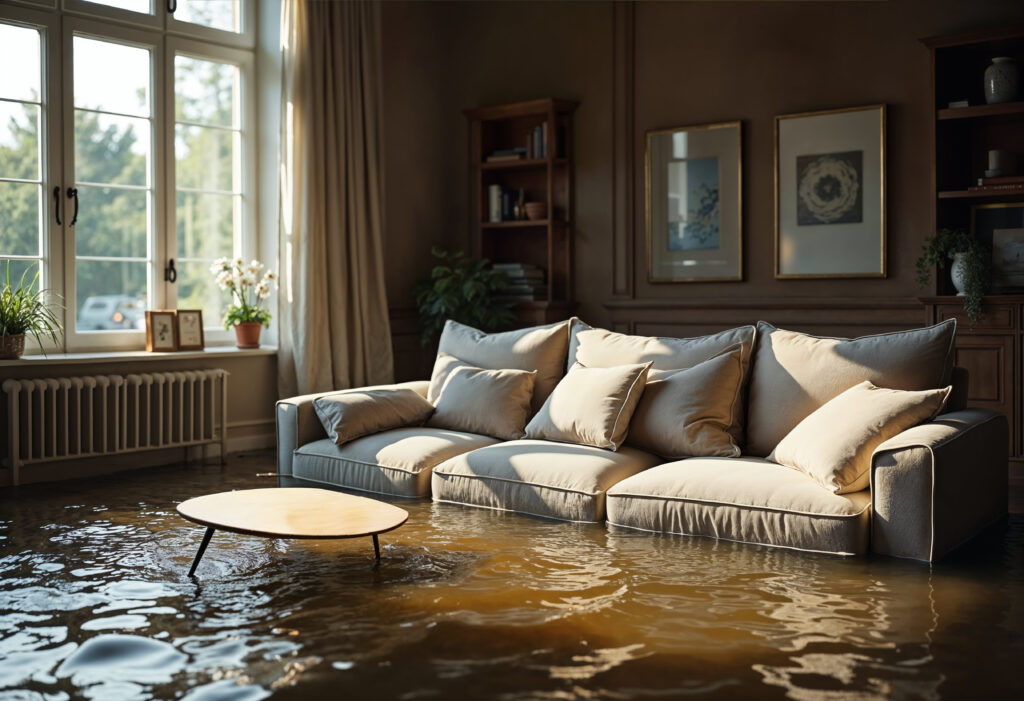
Water damage rarely looks serious at first.
- A small puddle near the sink.
- A damp patch on the ceiling.
- Carpet that feels slightly cold under your feet.
Because the damage seems minor, most homeowners clean the visible water and assume the problem is solved. Unfortunately, water doesn’t behave the way we expect. It travels through insulation, seeps under flooring, and settles inside walls where it stays trapped long after the surface appears dry.
This hidden moisture is what turns a simple leak into structural damage and mold growth.
Understanding what happens in the first 24–48 hours after a leak or flood is the key to preventing costly repairs.
Why Immediate Action Matters?
When water enters a property, building materials begin absorbing it instantly. Wood swells, drywall softens, and flooring adhesives weaken. Even clean water from a pipe can become contaminated once it sits inside walls or carpets.
Within the first day, moisture spreads beyond the original area.
Within two days, mold can begin forming.
Many homeowners believe the damage stops once the water is wiped up, but moisture continues traveling through porous materials. Subfloors, insulation, and wall cavities retain water for days without visible signs.
This is why water damage restoration focuses less on cleaning and more on moisture removal. The goal is not just drying what you see, but removing water from where you cannot see.
Types of Water Damage:
Not all water damage is equal. The category of water determines both the risk level and the required cleanup process.
Clean Water
Comes from broken pipes, faucets, or supply lines. Initially safe, but quickly degrades into contaminated water if left untreated.
Gray Water
Originates from appliances like washing machines or dishwashers. Contains bacteria and requires sanitation during restoration.
Black Water
Floodwater, sewage backups, or storm intrusion. Highly contaminated and requires professional emergency water damage restoration immediately.
The longer water remains, the higher category it becomes, which also increases restoration cost.
The First Step: Stop the Source
Before anything else, the source of water must be controlled. A leaking appliance, broken pipe, or roof intrusion will continue feeding moisture into the structure until stopped.
Turning off the main water supply often prevents the situation from escalating. If water has reached electrical outlets or fixtures, the affected area should be avoided until it can be safely inspected.
Stopping the source early dramatically reduces restoration time and prevents secondary damage such as ceiling collapse or flooring separation.
Removing Water Is More Important Than Cleaning
After the leak stops, attention shifts to water removal. Many homeowners use mops or towels, which helps temporarily, but surface drying does not remove moisture trapped beneath materials.
Floors, baseboards, cabinets, and drywall act like sponges. They hold water internally, allowing deterioration to continue even when the room looks dry.
Professional water extraction equipment removes water from deep within the flooring and padding, preventing warping and separation later. High-powered pumps and vacuums also reduce humidity levels faster, limiting bacterial growth.
Drying Prevents Structural Damage
Once excess water is extracted, the structure itself must be dried. Air movement alone cannot complete this process. Without dehumidification, moisture simply redistributes through the home and settles in cooler areas.
Structural drying uses controlled airflow and humidity reduction to pull water out of materials. This stage is critical because lingering moisture is the main cause of long-term damage after a flood or leak.
Homes that appear dry but skip this step often develop odors, buckled flooring, or peeling paint weeks later. In many cases, homeowners only discover the issue when materials begin deteriorating months after the original incident.
The Risk of Mold Growth
Mold is not caused by large floods alone. It develops whenever moisture remains trapped in building materials.
Between 24 and 48 hours after water exposure, mold spores can begin colonizing damp surfaces. Warm indoor temperatures accelerate this process, especially inside insulation and drywall cavities.
Early warning signs include:
- Persistent musty odor
- Discoloration on walls or ceilings
- Increased indoor allergies
- Warped trim or baseboards
At this point, restoration changes from drying to removal, which requires more extensive repair. Early water damage restoration prevents mold by eliminating moisture before growth begins.
Hidden Areas Most Commonly Affected
Many homeowners focus only on visible surfaces, but water typically spreads to concealed areas:
- Behind kitchen cabinets
- Under laminate and hardwood flooring
- Inside wall insulation
- Beneath bathroom tiles
- Around HVAC ducts
These areas trap moisture and slowly release humidity into the home, creating long-term indoor air quality issues. Moisture detection equipment is required to locate these hidden pockets.
When Professional Restoration Is Necessary
If water has affected walls, ceilings, flooring, or insulation, a professional assessment is usually required. Specialized moisture meters and thermal imaging detect damp areas invisible to the eye, allowing technicians to dry the structure completely.
A typical restoration process includes inspection, water extraction, structural drying, dehumidification, and sanitation to return the home to pre-damage condition.
If your property has experienced a leak, burst pipe, or flooding, scheduling a professional water damage assessment immediately can prevent mold growth and reduce repair costs. Rapid response services are designed to stabilize the property before deterioration spreads.
Fast response reduces repair costs and protects structural materials from permanent deterioration.
How Long Restoration Typically Takes
The timeline depends on severity:
- Minor leaks: 1–3 days drying
- Moderate damage: 3–7 days drying + repairs
- Major flooding: 1–3 weeks restoration
Quick action significantly shortens this process. Waiting even one day can double drying time due to moisture migration.
Preventing Future Water Damage
While emergencies cannot always be avoided, risk can be reduced by:
- Inspecting supply lines annually
- Cleaning gutters and roof drains
- Checking appliance hoses
- Monitoring water pressure
- Installing leak detection devices
Preventive maintenance costs far less than emergency repairs and helps detect small issues before they escalate.
Need Help With Water Damage in Texas?
Water damage spreads quickly, and the longer moisture remains inside walls or flooring, the more expensive repairs become. A professional inspection can identify hidden moisture before mold starts forming.
One Call Restoration provides 24/7 emergency water damage restoration across Texas.
Their team performs moisture detection, water extraction, structural drying, and sanitization to restore your property safely and efficiently.
If you notice damp smells, soft drywall, ceiling stains, or recent flooding, scheduling an immediate assessment can prevent major structural repairs later.
Visit: https://onecalltx.com/
Request a free water damage inspection and fast response service.