Mold Removal vs Remediation: Difference explained!
Many homeowners don’t realize until it becomes a costly problem that there is a significant difference between mold removal and mold remediation. Unfortunately, this misunderstanding often leads people to spend money on quick fixes, only to see the same mold return weeks later.
For homeowners in North Texas dealing with mold growth in areas like attics, bathrooms, or behind walls, understanding this difference is essential. Knowing what actually works and what only provides a temporary solution can help prevent repeated damage and unnecessary expenses.
Mold Removal vs. Mold Remediation Explained
At first glance, the two terms seem identical. Most people assume mold removal simply means getting rid of visible mold, which sounds straightforward. However, the reality is more complex.
The truth is that completely removing all mold from a home is impossible. Mold spores naturally exist everywhere in the environment. They travel through the air, enter homes through open windows, and even attach to clothing or pets. Even the cleanest homes contain some level of mold spores in the air.
Because of this, any company promising complete mold removal is often oversimplifying the situation. The real goal should be mold remediation.
Mold remediation focuses on reducing mold levels to normal, naturally occurring amounts. More importantly, remediation identifies and resolves the underlying moisture issue that allowed mold to grow in the first place.
In simple terms:
-
Mold removal addresses the visible problem
-
Mold remediation addresses the root cause
This difference is why remediation provides long-term results instead of temporary fixes.
Why Professional Mold Remediation Matters
Attempting to handle mold without professional guidance can often lead to recurring problems. Surface cleaning may remove visible mold temporarily, but if moisture sources remain untreated, mold will return.
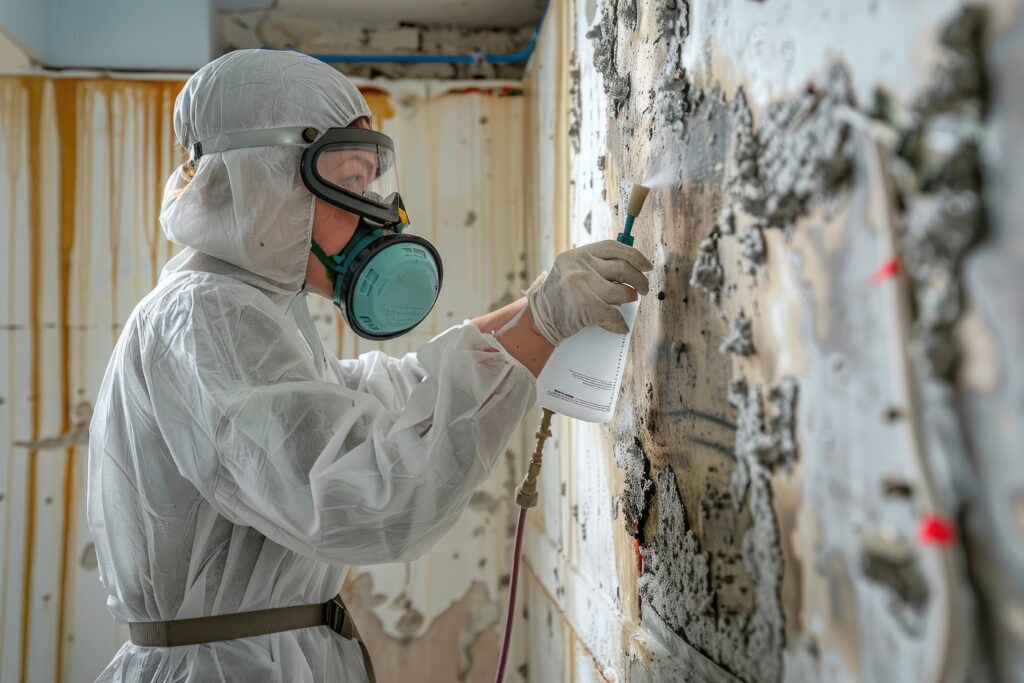
Professional remediation involves much more than simple cleaning. Certified specialists use moisture detection equipment to identify hidden water problems within walls, ceilings, and flooring. They may also conduct air quality testing to determine the type and concentration of mold spores present in the home.
Another important step professionals take is containment. During remediation, the affected area is sealed to prevent mold spores from spreading to other parts of the home while cleanup takes place.
Professional documentation can also be valuable for homeowners who need to file insurance claims related to water damage or mold issues.
The Hidden Risk of Attic Mold
Attics are one of the most overlooked areas when it comes to mold growth. Many homeowners rarely inspect their attics, which allows problems to develop unnoticed.
In North Texas, several factors contribute to attic mold, including:
-
Poor ventilation
-
High summer heat and humidity
-
Roof leaks caused by storms or hail
-
Improper insulation or duct sealing
Because attics are difficult to access and often contain insulation and structural wood components, mold remediation in these areas requires specialized equipment and experience.
Professional attic mold removal services are commonly required after severe weather events or roof damage. Without proper remediation, attic mold can eventually affect indoor air quality and structural materials.
Mold Risks After Water Damage
Water damage significantly increases the risk of mold growth. Once moisture enters walls, floors, or ceilings, mold can begin developing quickly.
In many cases, mold can start growing within 24 to 48 hours after water exposure.
This is why professional water damage restoration teams respond quickly to flooding, plumbing leaks, or burst pipes. Restoration specialists use industrial-grade dehumidifiers, air movers, and moisture detection tools to dry affected areas thoroughly.
Thermal imaging cameras may also be used to identify hidden moisture behind walls or beneath flooring. Proper drying ensures that mold cannot develop in concealed areas.
Delaying professional drying or relying only on household equipment can allow moisture to remain trapped in structural materials, which may lead to extensive mold problems later.
How the Mold Remediation Process Works
Professional mold remediation follows a systematic process designed to remove contamination safely and prevent recurrence.
Inspection and Assessment
The process begins with a detailed inspection. Specialists evaluate the entire property to identify moisture sources, assess the extent of mold growth, and determine the best remediation strategy.
In some cases, air or surface samples may be collected to identify the specific mold species present.
Containment
To prevent mold spores from spreading, remediation teams isolate the affected area using plastic barriers and negative air pressure systems.
This containment ensures that cleanup activities do not contaminate other areas of the home.
Mold Removal and Cleaning
Damaged materials such as drywall, insulation, or carpeting that cannot be safely cleaned may need to be removed and disposed of.
Other surfaces are cleaned using HEPA vacuum systems and antimicrobial treatments designed to eliminate mold spores effectively.
Drying and Dehumidification
After removal and cleaning, the entire area must be thoroughly dried. Commercial-grade dehumidifiers and air movers are used to reduce moisture levels to safe ranges.
Technicians regularly monitor moisture readings to ensure structural materials are fully dry.
Restoration and Prevention
Once remediation is complete, any removed materials may be replaced or repaired. Homeowners are also provided with recommendations for preventing future mold growth.
Choosing a Qualified Mold Specialist
Not all companies offering mold services have the same level of training or experience. Homeowners should look for professionals with proper certifications and industry training.
One widely recognized credential is IICRC certification, which represents training in water damage restoration and mold remediation standards.
Local experience is also valuable. Specialists familiar with North Texas climate conditions understand the unique challenges homeowners face, including humidity fluctuations, severe storms, and attic ventilation issues common in regional home construction.
When evaluating a remediation company, homeowners should consider:
-
Professional certifications
-
Detailed inspection procedures
-
Written estimates and reports
-
Experience with insurance documentation
-
Clear explanations of the remediation process
Reliable companies are transparent about their methods and willing to answer questions about their approach.
Preventing Mold in the Future
After remediation is complete, preventing mold growth becomes the next priority. The key factor in mold prevention is controlling moisture.
Some effective prevention practices include:
-
Repairing leaks promptly
-
Improving attic ventilation
-
Using dehumidifiers in damp areas
-
Ensuring bathroom exhaust fans vent outside
-
Maintaining proper airflow in crawl spaces and storage areas
Routine inspections of common moisture-prone areas such as under sinks, around plumbing fixtures, and inside attics can also help detect issues early.
Quick action after water damage is particularly important. Addressing moisture within the first 24 hours significantly reduces the risk of mold development.
Why Proper Remediation Is Worth the Investment
Understanding the difference between mold removal and mold remediation helps homeowners make better decisions when dealing with mold problems.
Surface cleaning may appear less expensive initially, but it often fails to address the underlying cause of mold growth. As a result, the same problem may return repeatedly, leading to additional repair costs and potential health concerns.
Professional mold remediation provides a more comprehensive solution. By identifying moisture sources, removing contaminated materials, and restoring safe moisture levels, remediation helps ensure the issue is resolved properly.
For homeowners dealing with attic mold, water damage, or recurring mold growth, working with a qualified mold remediation specialist can protect both the property and the health of the household.
Addressing mold correctly the first time helps prevent long-term damage and preserves the value of the home.